


Creating a safe and accessible home environment is essential for individuals facing physical, cognitive, or age-related challenges. This is where occupational therapy plays a vital role. By assessing everyday living spaces and tailoring modifications, occupational therapists help individuals maintain independence and improve their quality of life. Whether it’s minor adjustments or major home modifications, these services ensure that homes are functional, safe, and supportive.
Understanding Home Accessibility in Occupational Therapy
Home accessibility refers to designing or modifying living spaces to ensure ease of movement and usability for everyone, especially those with impairments or limited mobility. Professionals offering Occupational Therapy Services in Gold Coast focus on evaluating a person’s unique needs and recommending practical changes that enhance safety and independence.
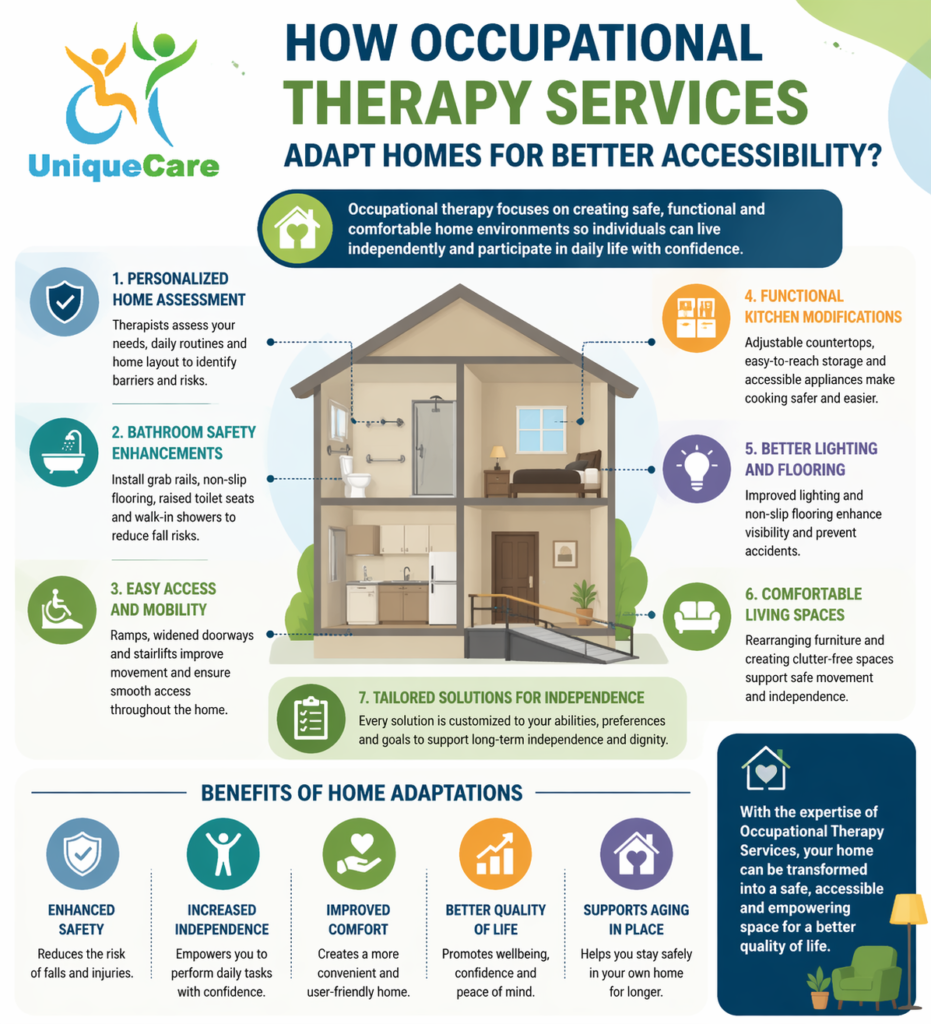
These modifications are not just about convenience as they are about empowering individuals to perform daily tasks such as bathing, cooking, and moving around the home without assistance. From installing grab rails to improving lighting, every change is aimed at reducing risks and improving functionality.
Key Home Modifications for Better Accessibility
- Bathroom Safety Enhancements
Bathrooms are one of the most hazardous areas in a home. Occupational therapists often recommend installing grab bars, non-slip flooring, and walk-in showers. These adjustments significantly reduce the risk of falls and make daily routines safer.
- Kitchen Modifications
In the kitchen, accessibility is improved through adjustable countertops, easy-to-reach cabinets, and user-friendly appliances. An Occupational Therapist in Ipswich may suggest reorganising kitchen layouts to minimise strain and improve efficiency for individuals with mobility issues.
- Mobility-Friendly Entrances and Pathways
Ramps, widened doorways, and stairlifts are essential for wheelchair users or those with walking difficulties. These modifications ensure smooth movement throughout the home without barriers.
- Improved Lighting and Flooring
Proper lighting reduces the risk of accidents, especially for individuals with visual impairments. Non-slip flooring further enhances safety, making movement around the house more secure.
Personalised Assessments and Solutions
One of the most valuable aspects of occupational therapy is its personalised approach. Experts providing Occupational Therapy Services in Redcliffe conduct detailed assessments of both the individual and their home environment. They consider factors such as physical abilities, daily routines, and long-term needs before recommending modifications.
This tailored approach ensures that every change is meaningful and directly improves the individual’s lifestyle. It also helps in preventing future injuries and promoting long-term independence.
Benefits of Home Adaptations
Adapting homes for accessibility offers numerous advantages:
- Enhanced Safety: Reduces the risk of falls and injuries
- Increased Independence: Enables individuals to perform daily tasks without assistance
- Improved Comfort: Creates a more user-friendly living environment
- Better Quality of Life: Promotes confidence and emotional wellbeing
With the support of professionals delivering Occupational Therapy Services in Gold Coast, individuals can continue living in their homes comfortably and safely.
Home modifications guided by occupational therapy are essential for creating inclusive and supportive living environments. From simple installations to comprehensive redesigns, these changes empower individuals to lead independent and fulfilling lives. By working with experienced professionals, you can ensure that your home meets your specific needs while enhancing safety and comfort.
Schedule An Appointment Today
Looking to improve your home’s accessibility and safety? Consult expert occupational therapists today and explore tailored solutions that support your independence and wellbeing. Take the first step toward a safer home now.
Call us at 01800 289 244 or email us at info@ucsq.com.au for more information.
- What are occupational therapy services in home accessibility?
Occupational therapy services focus on assessing and modifying home environments to improve safety, mobility, and independence for individuals with physical, cognitive, or age-related challenges.
- Who can benefit from home accessibility adaptations?
People with mobility issues, seniors, individuals recovering from injuries, or those with chronic conditions can all benefit from home modifications recommended by occupational therapists.
- What types of home modifications do occupational therapists suggest?
Common recommendations include grab rails, ramps, widened doorways, non-slip flooring, improved lighting, and accessible bathroom and kitchen designs.
- How do occupational therapists assess a home?
They evaluate the individual’s physical abilities, daily routines, and the home layout to identify barriers and recommend practical, personalised solutions.
- Are home modifications expensive?
Costs vary depending on the changes required. Some modifications, like installing grab bars, are affordable, while structural changes may be more costly but offer long-term benefits.
- Can occupational therapy services help prevent accidents at home?
Yes, they significantly reduce risks by addressing hazards such as slippery floors, poor lighting, and inaccessible layouts.
- Do occupational therapists provide customised solutions?
Absolutely. Every recommendation is tailored to the individual’s specific needs, ensuring the modifications are effective and practical.
- How long does it take to implement home modifications?
The timeline depends on the complexity of the changes. Simple adjustments can be completed quickly, while larger renovations may take longer.
- Can these services help elderly individuals live independently?
Yes, home adaptations enable seniors to safely perform daily activities, reducing the need for constant assistance.
- How do I get started with occupational therapy for home accessibility?
You can begin by consulting a qualified occupational therapist who will assess your needs and guide you through suitable home modifications.

