


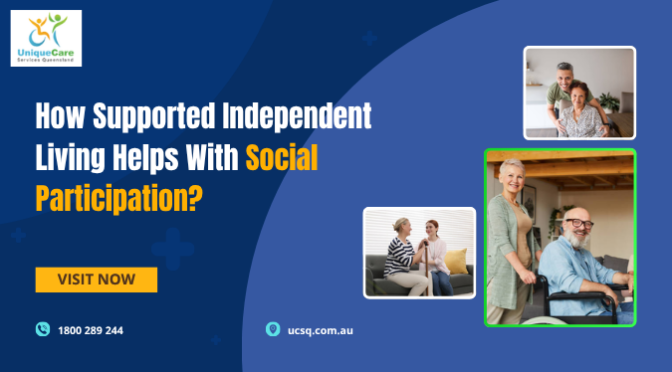
Having opportunities to connect with others, participate in community activities, and build meaningful relationships plays an important role in overall wellbeing. For many people living with mobility issues, accessing the right support can make social participation easier and more enjoyable. Supported Independent Living (SIL) provides personalised assistance that helps individuals develop daily living skills, increase confidence, and engage more actively within their communities.
Through tailored support plans and compassionate care, SIL services empower participants to make choices, explore their interests, and take part in activities that promote inclusion and independence.
Encouraging Community Engagement and Connection
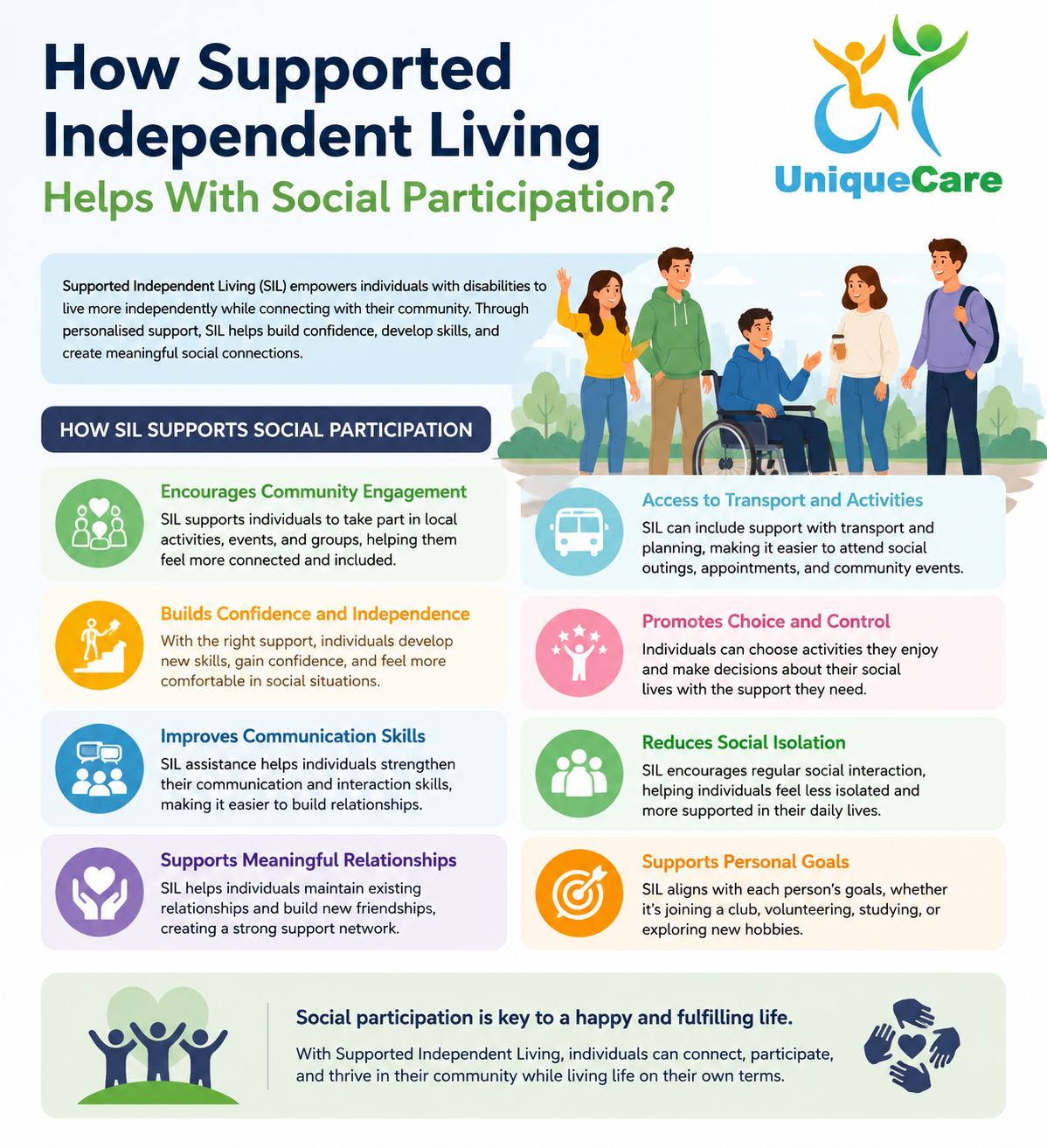
One of the key benefits of Supported Independent Living is the opportunity to become more involved in the community. Support workers assist participants with accessing local events, recreational activities, education opportunities, and social groups based on their personal goals and interests.
By receiving the right level of support, individuals can feel more confident attending community activities, meeting new people, and developing friendships. These experiences help reduce isolation and encourage a stronger sense of belonging.
Building Confidence Through Everyday Support
Social participation often begins with developing confidence in everyday situations. Supported Independent Living helps participants strengthen important skills such as communication, decision-making, managing routines, and interacting with others.
With personalised assistance, individuals can gradually become more comfortable participating in social environments. Quality SIL services focus on supporting independence while ensuring participants have the encouragement they need to achieve their personal goals.
Creating Opportunities for Meaningful Relationships
Strong social connections contribute to improved emotional wellbeing and quality of life. SIL providers help create opportunities for participants to maintain relationships with family, friends, and members of the wider community.
Individuals accessing supported independent living in Redcliffe can benefit from personalised support that encourages participation in activities they enjoy while respecting their preferences and lifestyle choices. This approach allows participants to build connections in a way that feels comfortable and meaningful.
Supporting Choice and Independence in the Community
A major focus of Supported Independent Living is giving participants greater choice and control over their daily lives. Rather than limiting individuals, SIL support encourages them to explore new experiences and participate in activities that align with their goals.
For those seeking supported independent living in Deception Bay, professional support services can provide assistance with daily tasks while promoting confidence, independence, and active involvement in the community.
How SIL Supports a More Inclusive Lifestyle?
Supported Independent Living creates a supportive environment where individuals can develop skills, pursue interests, and participate in community life. From attending social gatherings to learning new skills, SIL services help participants experience greater freedom and inclusion.
By focusing on each person’s abilities, preferences, and aspirations, SIL providers help create opportunities for meaningful engagement and personal growth.
Supported Independent Living plays an important role in helping people with mobility issues participate more actively in their communities. Through personalised support, skill development, and encouragement, SIL services help individuals build confidence, create relationships, and enjoy a more connected lifestyle.
Book An Appointment Today
If you are looking for compassionate and personalised SIL support designed around individual needs, contact Unique Care Services QLD today to explore how we can help you achieve greater independence and social participation.
Frequently Asked Questions About Supported Independent Living (SIL)
- 1. What is Supported Independent Living (SIL)?
Supported Independent Living (SIL) is an NDIS-funded support option that helps people with mobility issues live more independently while receiving assistance with daily tasks, personal goals, and community participation. SIL support is tailored to each participant’s needs, preferences, and lifestyle choices.
- 2. How does Supported Independent Living improve social participation?
Supported Independent Living helps individuals participate more actively in their communities by providing assistance with social activities, communication, transport, and building confidence. Support workers encourage participants to attend events, develop friendships, and engage in activities they enjoy.
- 3. Can SIL support help reduce social isolation?
Yes. SIL services can help reduce social isolation by creating opportunities for participants to connect with others, join community activities, and maintain relationships with family, friends, and support networks. Regular social interaction can improve confidence and emotional wellbeing.
- 4. Does Supported Independent Living help develop social skills?
Supported Independent Living can assist participants in developing important social skills, such as communication, decision-making, problem-solving, and interacting with others. Support workers provide guidance and encouragement while allowing individuals to build independence at their own pace.
- 5. What types of social activities can SIL participants access?
SIL participants can take part in a wide range of activities based on their interests and goals. These may include community events, recreational activities, educational programs, hobbies, volunteering opportunities, and social gatherings.
- 6. How do SIL providers encourage community involvement?
SIL providers encourage community involvement by helping participants identify activities they enjoy and providing the necessary support to access them safely. This may include assistance with planning, transport, communication, and developing confidence in new environments.
- 7. Can Supported Independent Living help participants make new friends?
Yes. By supporting participation in community activities and social events, SIL services can create opportunities for participants to meet new people and develop meaningful friendships. Building social connections can contribute to a stronger sense of belonging and independence.
- 8. How does SIL promote choice and independence?
Supported Independent Living focuses on giving participants greater choice and control over their daily lives. Individuals can make decisions about their routines, activities, goals, and social interests while receiving the support they need to participate confidently.
- 9. Is Supported Independent Living suitable for people with different support needs?
Yes. SIL services can be customised for individuals with different abilities and support requirements. A personalised support plan ensures each participant receives assistance that aligns with their goals, preferences, and level of independence.
- 10. How can I access Supported Independent Living services?
To access Supported Independent Living, eligible NDIS participants can discuss their goals and support requirements with their NDIS planner, support coordinator, or a SIL provider. A professional provider can help explore suitable support options based on individual needs.

